
Concrete Steps & Stairs
Safe, durable steps that connect different levels of your property with style and stability.
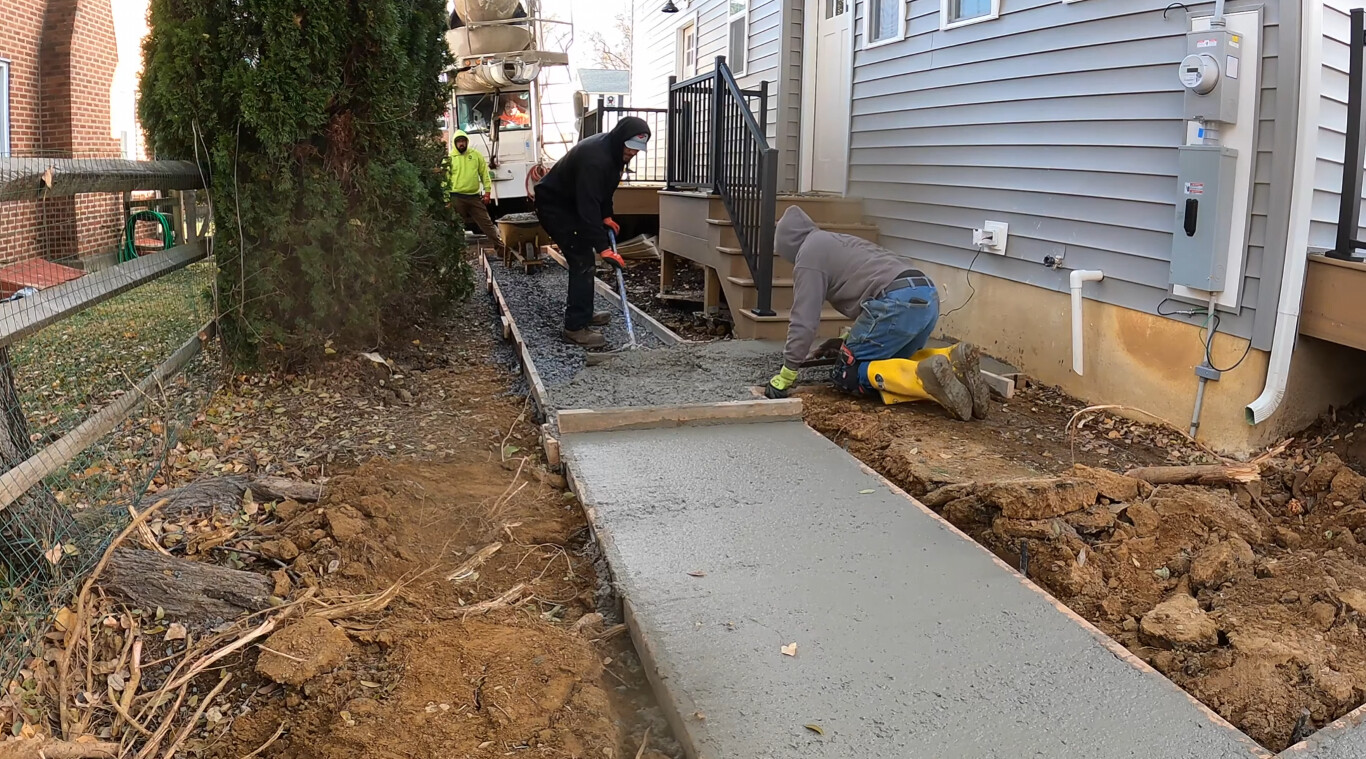
Why Choose Concrete for Steps and Stairs
Steps and stairs are high-traffic areas that demand durability and safety. Concrete delivers both while offering design flexibility that matches your home's style. Whether you need front entrance steps, back porch stairs, or outdoor steps connecting different yard levels, concrete provides a permanent solution.
Unlike wood steps that rot and require constant maintenance, or metal stairs that rust and become slippery, concrete steps remain stable and safe for decades. They handle weather extremes without warping, cracking under normal use is minimal when properly installed, and they support heavy loads without sagging.
Concrete steps also enhance your home's curb appeal. We can create simple utilitarian stairs or elegant entrances with decorative finishes, landings, and custom details. The versatility of concrete means your steps can be as basic or ornate as you desire.
Advantages of Concrete Steps
- •Exceptional durability that withstands decades of daily use
- •Minimal maintenance compared to wood or composite materials
- •Non-combustible and fire-resistant for safety
- •Customizable with colors, textures, and decorative finishes
- •Can include integrated handrails and lighting features
- •Resistant to pests, rot, and weather damage
Proper Step Design and Code Requirements
Building safe, comfortable stairs requires following specific design principles and local building codes. These rules exist for good reasons, they ensure your steps are safe and accessible for everyone who uses them.
Riser and Tread Dimensions
The riser is the vertical part of each step, and the tread is the horizontal surface you step on. Building codes specify maximum riser heights and minimum tread depths. Typical requirements call for risers no higher than 7.75 inches and treads at least 10 inches deep. These dimensions create a comfortable, safe climbing angle. All risers must be the same height and all treads must be the same depth. Inconsistent dimensions cause people to trip.
Width Requirements
Most residential stairs must be at least 36 inches wide. This allows comfortable passage and meets accessibility guidelines. Wider stairs feel more grand and accommodate two people passing. We can build stairs as wide as you want, space and budget permitting.
Handrails
Building codes require handrails for stairs with more than three risers in most jurisdictions. Handrails must be graspable, at the proper height, and securely anchored. We can install metal handrails or coordinate with your contractor for wood or other materials. Proper handrails are essential for safety, especially in wet or icy conditions.
Landings
Stairs taller than a certain height require intermediate landings. Landings provide resting spots and make long stair runs safer. They also allow you to change direction if needed. We include landings in the design when required by code or when they improve the functionality of your stairs.
How We Build Quality Concrete Steps
Concrete steps require precision forming and careful construction. Poor workmanship results in uneven steps, settling, or premature failure. Here is our process for building steps that last.
Foundation and Base
Steps need a solid foundation that extends below the frost line to prevent frost heave. We excavate to the proper depth and pour a concrete footing. In some cases, steps can be poured monolithically with the foundation. For existing structures, we ensure proper connection between the steps and building foundation.
Forming
We build precise forms that create the exact riser and tread dimensions required. Forms must be strong enough to resist the pressure of wet concrete and braced to prevent movement during pouring. Getting the forms right is critical because they determine the final shape and dimensions of your stairs.
Reinforcement
Steel reinforcement bars add strength and prevent cracking. We place rebar according to engineering specifications and building code requirements. Proper reinforcement is especially important for cantilevered steps or stairs with longer spans.
Pouring and Finishing
We pour concrete carefully to avoid disturbing the reinforcement or forms. After consolidation and initial set, we finish the treads with appropriate texture for traction. Options include broom finish for maximum grip, smooth trowel with light texture, or stamped patterns for decorative appearance. Nosings (the front edge of each tread) get special attention to create clean, durable edges.
Decorative Options
Beyond basic finishes, we can add color through integral pigments or stains. We can stamp patterns into the treads or risers. We can create exposed aggregate finishes for texture and visual interest. For front entrance steps, decorative treatments make a strong first impression while maintaining safety and function.
Frequently Asked Questions
Need New Concrete Steps?
Get a free estimate for your concrete steps project. We build safe, attractive stairs that enhance your property.