Concrete Slab & Foundation Work
Building on a solid foundation starts with quality concrete work done right.
Why Your Foundation Matters
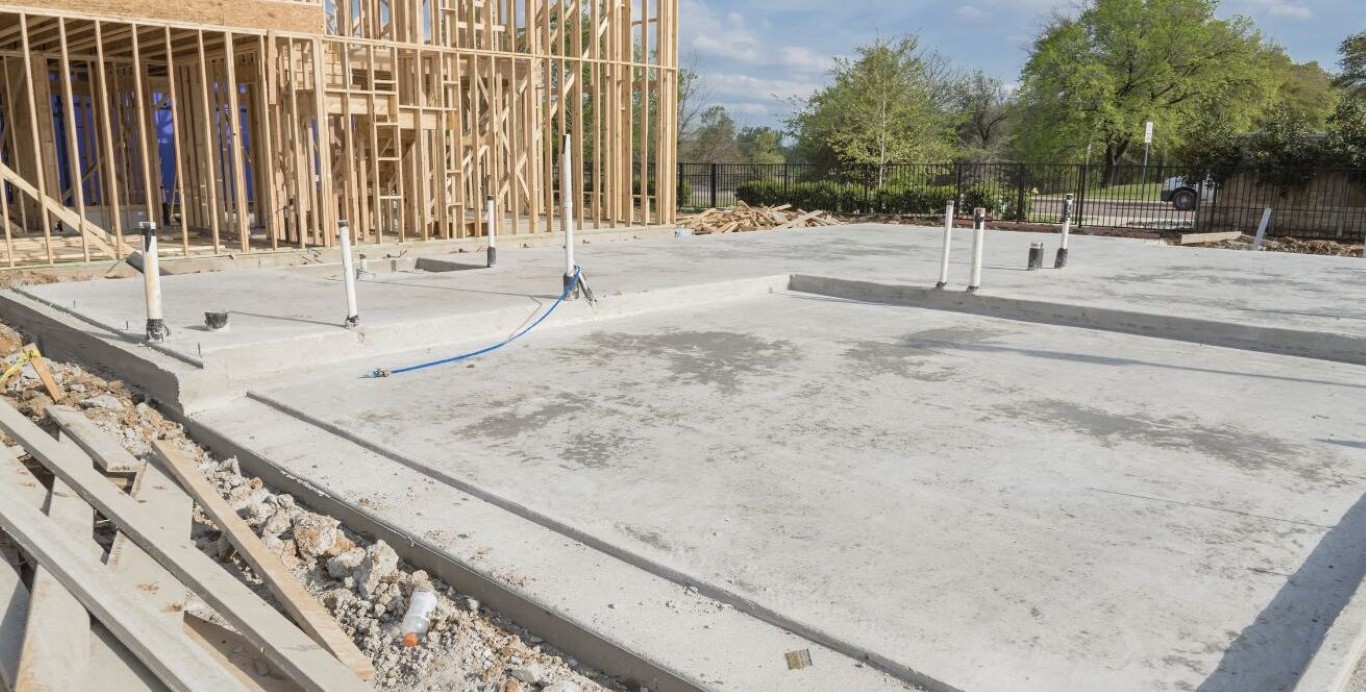
Your foundation is the most critical part of any structure. Whether you are building a new home, adding a garage, or constructing a shed, everything depends on a solid foundation. A properly installed concrete slab or foundation provides the stable base your structure needs to remain level, secure, and free from cracks and settlement issues.
Foundation problems are expensive to fix after construction is complete. Settling, cracking, and water infiltration can compromise the entire structure. This is why we never cut corners on foundation work. We follow industry best practices and local building codes to ensure your foundation will support your structure for decades.
In Acton and surrounding areas, soil conditions and climate present specific challenges for foundations. Our team understands these local factors and knows how to build foundations that perform well in our environment. We account for frost depth, drainage patterns, and soil types when designing and installing your foundation.
What We Install
- •Slab-on-grade foundations for homes, garages, and commercial buildings
- •Frost walls and foundation walls for full basements
- •Concrete slabs for sheds, workshops, and storage buildings
- •Equipment pads for HVAC units, generators, and machinery
- •Replacement foundations for existing structures
Foundation Types We Install
Different structures require different foundation types. We work with architects, builders, and homeowners to determine the best foundation for each project.
Slab-on-Grade Foundations
A slab-on-grade foundation is a single layer of concrete poured directly on prepared soil. This is the most common and economical foundation type for residential construction in areas without basements. The slab serves as both the foundation and the floor. We pour the perimeter thicker than the center to provide extra support at the edges. This type of foundation works well for garages, additions, and single-story homes.
Frost Wall Foundations
In Massachusetts, foundations must extend below the frost line to prevent frost heave. The frost line in our area is typically 4 feet deep. A frost wall foundation consists of concrete walls that extend below the frost line and support the structure above. The interior can have a concrete slab floor or remain as a crawl space. This foundation type costs more than a simple slab but provides better protection against frost damage and allows for basement space.
Full Basement Foundations
A full basement foundation includes concrete walls and a concrete floor slab. The walls extend below the frost line and create usable space below the main floor. This is the most expensive foundation type but provides the most value by adding significant square footage to the home. We install proper drainage systems around basement foundations to prevent water infiltration.
Monolithic Slabs
A monolithic slab is poured in one continuous pour, with the foundation and floor forming a single piece. The edges are thickened to provide support, and the entire slab sits on a prepared base. This foundation type is faster to install than other types and works well for garages, barns, and small structures. It is not suitable for areas below the frost line unless specific engineering modifications are made.
Our Foundation Installation Process
Foundation work requires precision and attention to detail. Here is how we ensure your foundation is built to last.
Site Assessment and Planning
We start by reviewing building plans and assessing site conditions. We identify soil type, drainage patterns, and any challenges that might affect the foundation. We also locate underground utilities and ensure proper setbacks from property lines. This planning phase prevents problems during construction.
Excavation and Grading
We excavate to the required depth based on the foundation type and frost line requirements. The excavation must be level and properly graded to direct water away from the foundation. We compact the soil to create a stable base that will not settle over time.
Base and Drainage Installation
We install a gravel base layer and compact it thoroughly. For basement foundations, we install perimeter drainage systems to collect and redirect groundwater. Proper drainage is essential for preventing basement moisture and foundation movement. We also install vapor barriers to prevent moisture from wicking up through the concrete.
Forming and Reinforcement
We set precise forms to define the foundation edges and ensure proper thickness and dimensions. We install steel reinforcement bars (rebar) according to engineering specifications. The reinforcement adds tensile strength to the concrete and helps prevent cracking. For larger slabs, we may use post-tensioned cables or wire mesh for additional strength.
Concrete Placement and Finishing
We pour the concrete in sections, working methodically to ensure even distribution and proper consolidation. We use vibrators to eliminate air pockets and ensure the concrete fully surrounds the reinforcement. After pouring, we level and finish the surface according to the project requirements. For slabs that will receive flooring, we create a smooth, level surface. For basement floors, we provide proper slope toward floor drains.
Curing and Backfilling
Concrete must cure slowly to achieve maximum strength. We apply curing compounds and protect the concrete from rapid drying. After the concrete reaches sufficient strength, we carefully backfill around foundation walls, compacting the soil in layers to prevent future settling. We grade the surrounding area to direct water away from the foundation.
Frequently Asked Questions
Need Foundation Work?
Get a professional assessment and detailed quote for your foundation project. We work with homeowners, builders, and contractors.